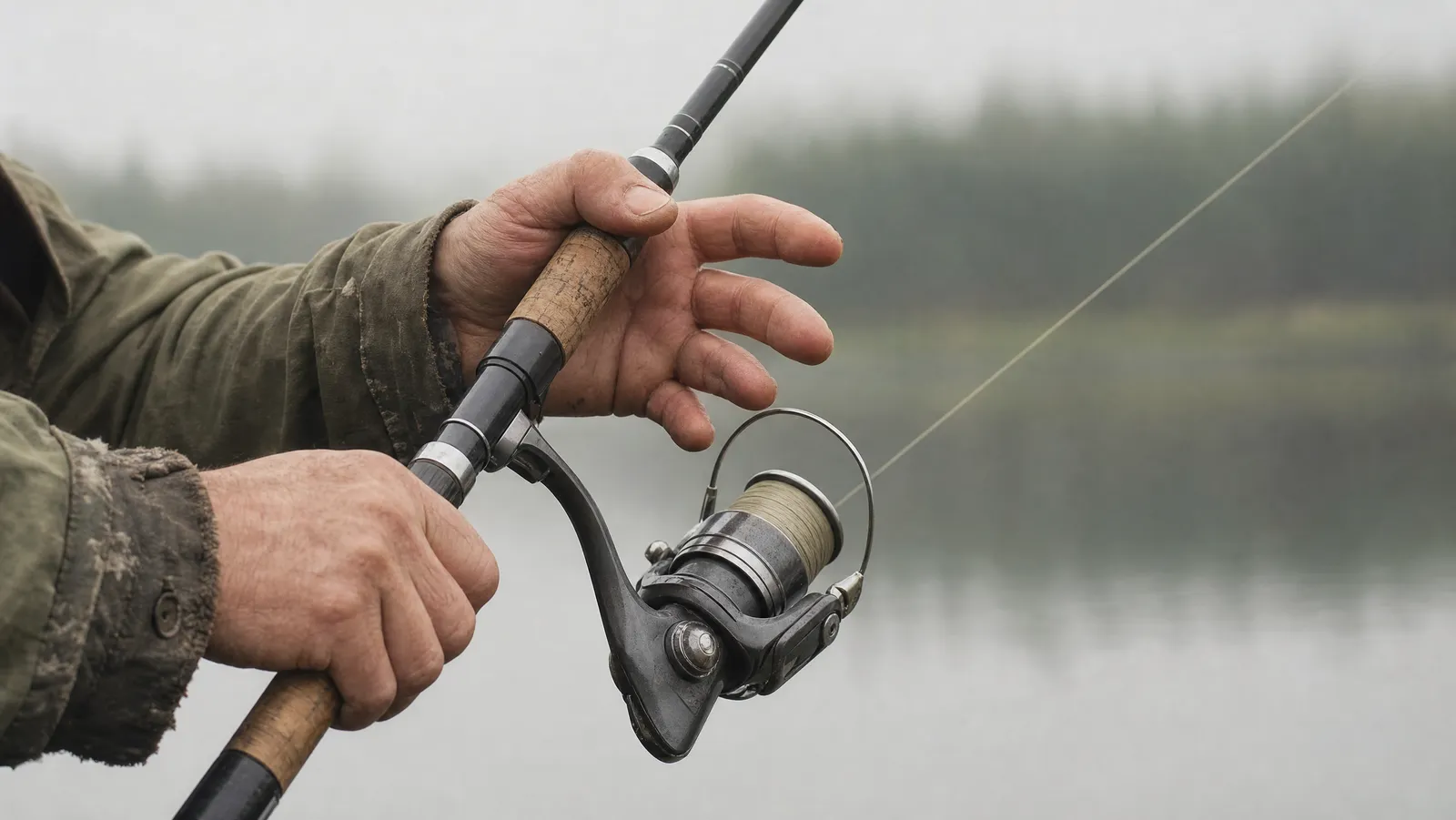
Reels
How to Cast a Spinning Reel: Distance, Accuracy, and No Tangles
How to Cast a Spinning Reel: Distance, Accuracy, and No Tangles Hang the lure 6 to 12 inches below the rod tip…
Rob Thomas
Catch the fisherman's tale
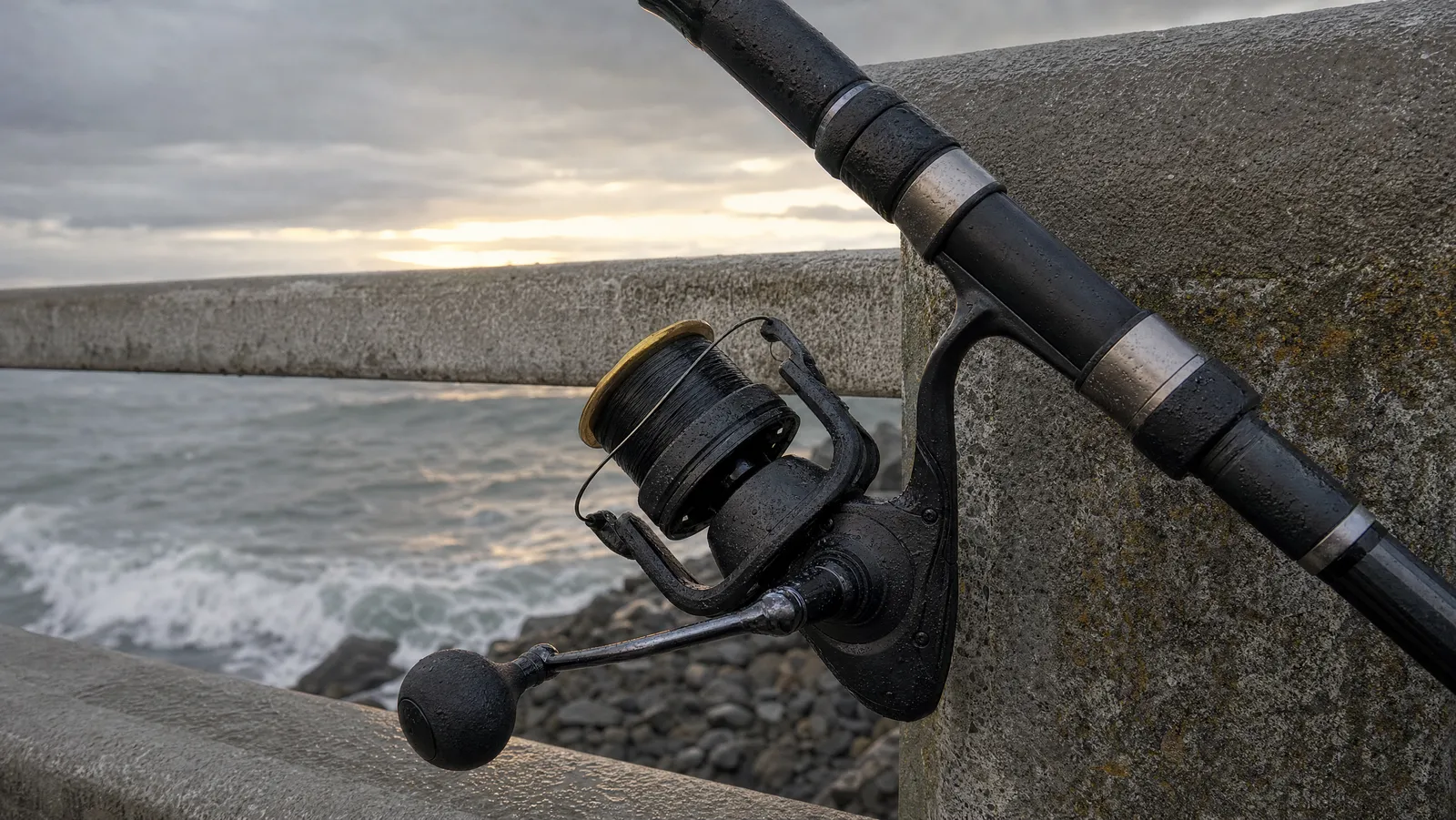
How to Cast a Spinning Reel: Distance, Accuracy, and No Tangles Hang the lure 6 to 12 inches below the rod tip…
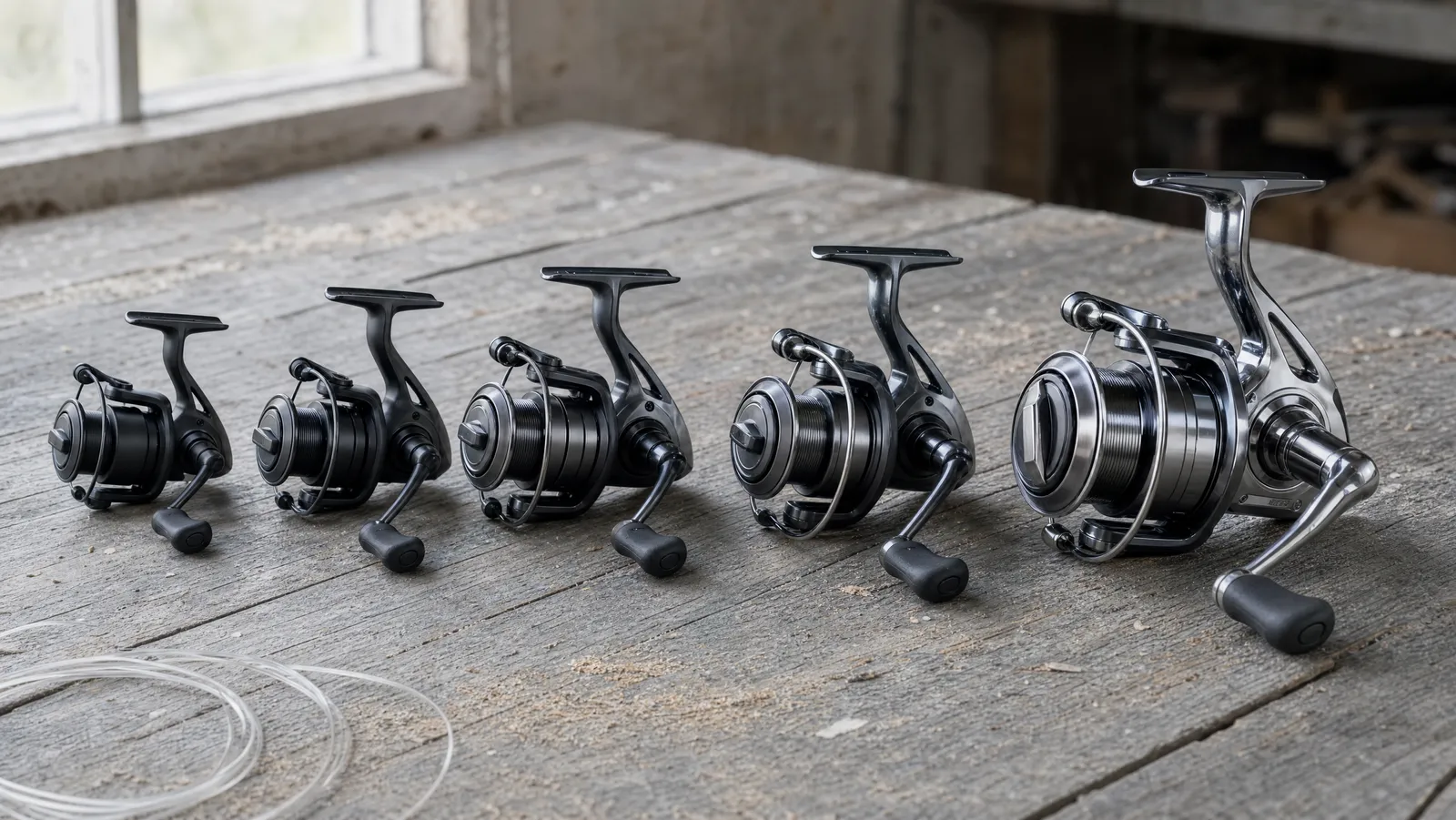
Spinning Reel Brands Compared: What You Get at Each Price Tier At about $39 as of October 2026 the best spinni…
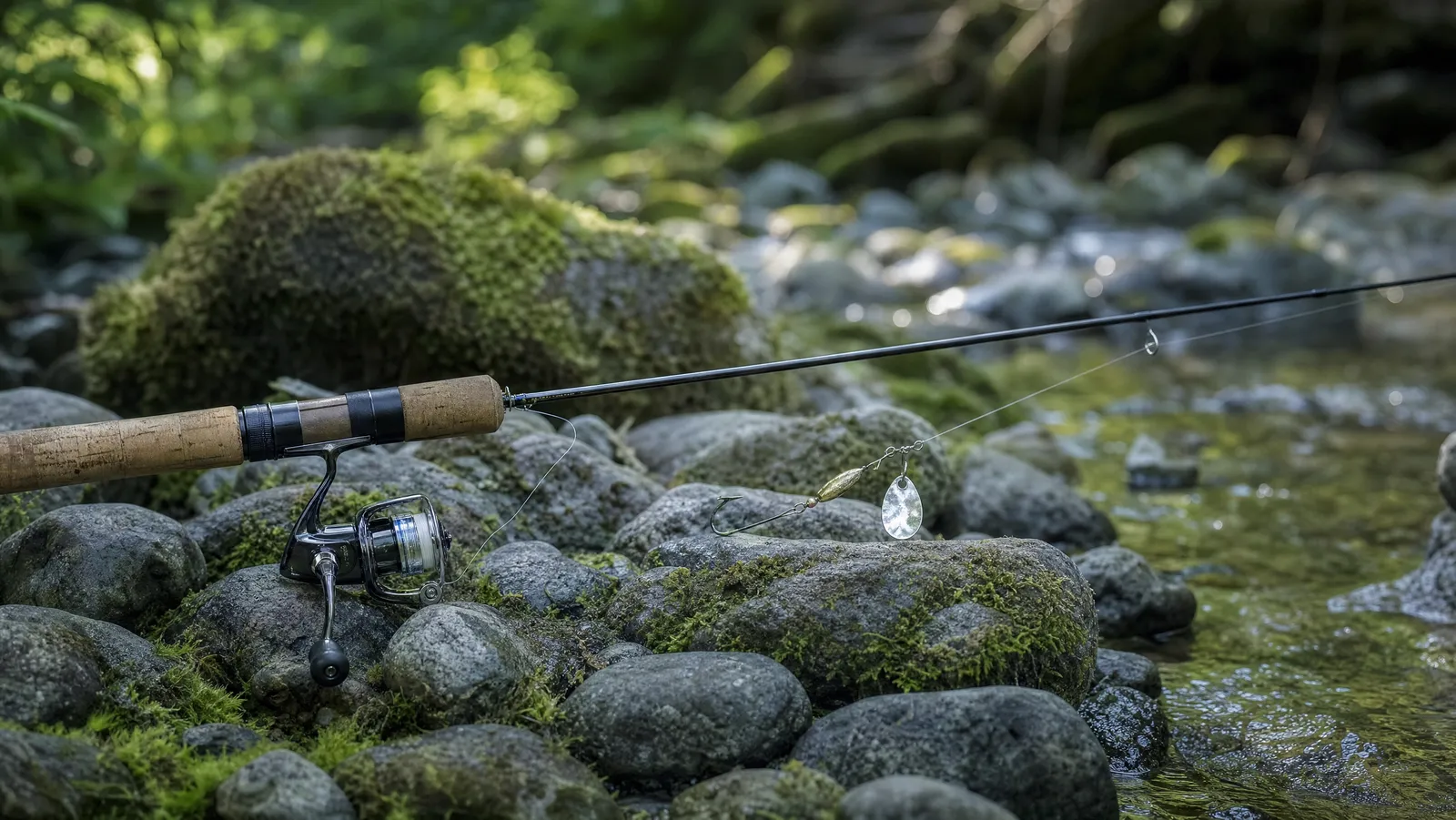
Best Ultralight Spinning Reels for Trout and Panfish Buy the Pflueger President in size 30 if you want one sma…
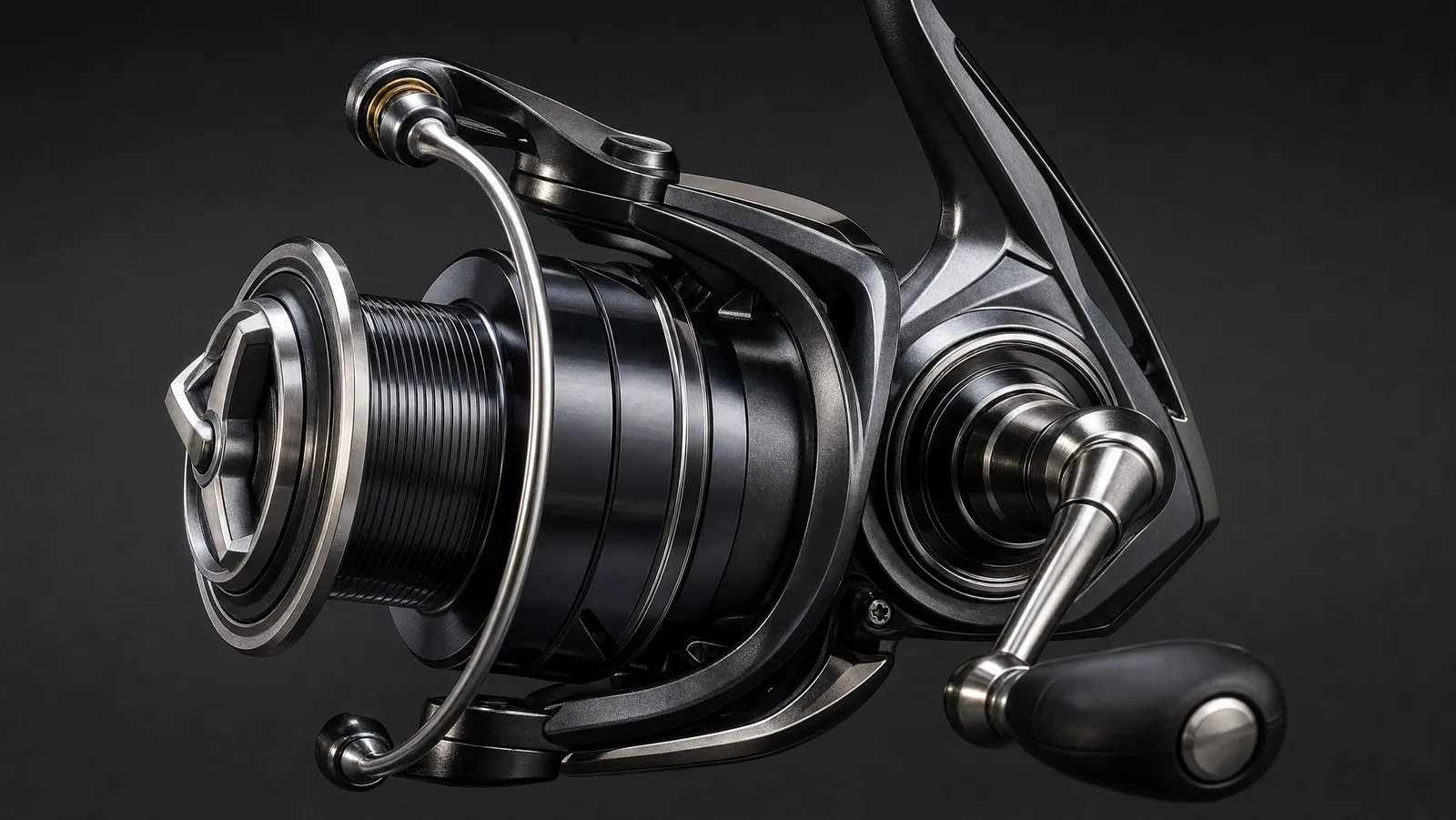
How a Spinning Reel Works: Every Part, and What It Does A spinning reel works by holding the spool still and m…
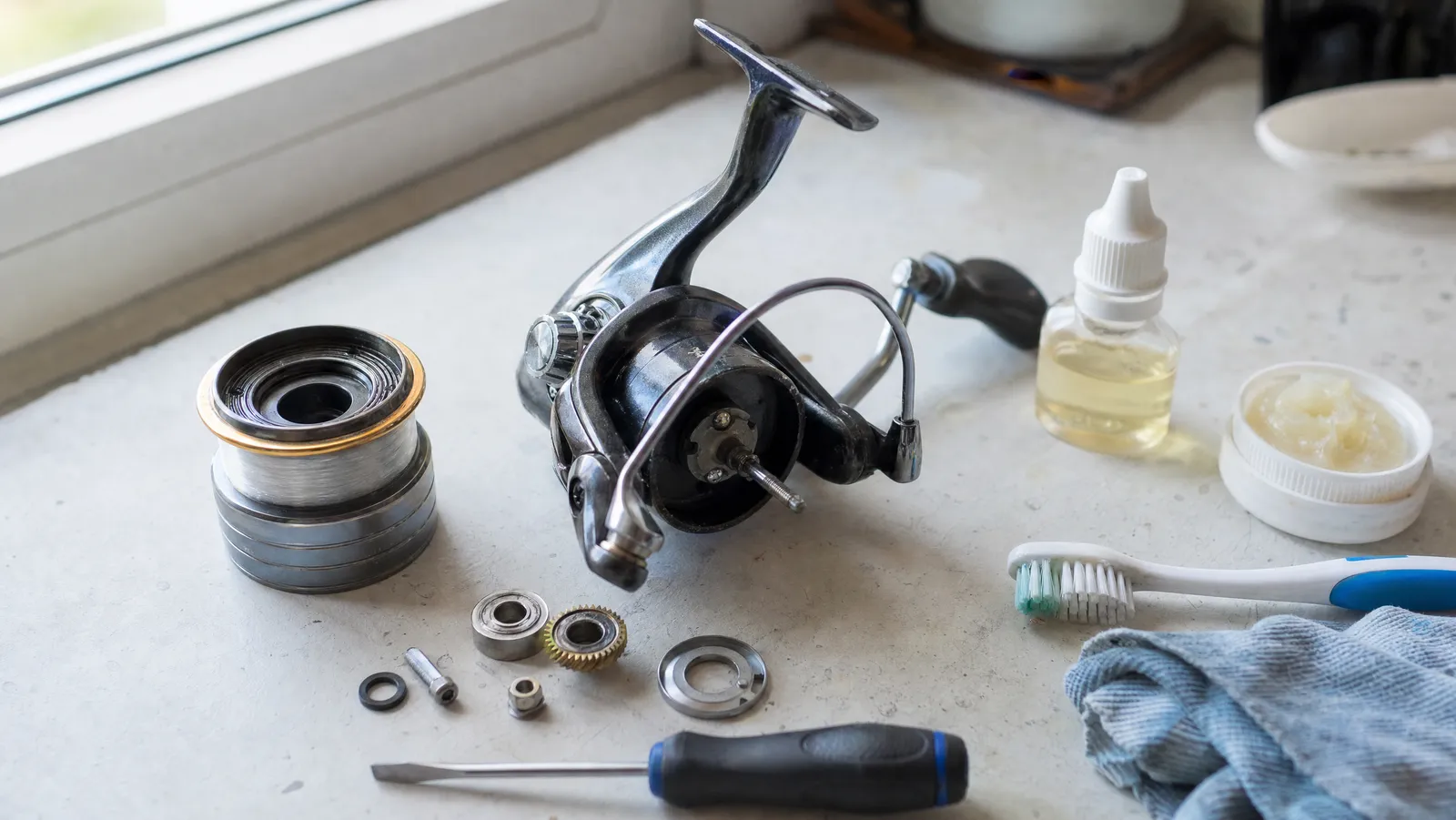
How to Clean and Grease a Spinning Reel Without Wrecking It How to clean a spinning reel: back the drag off, r…
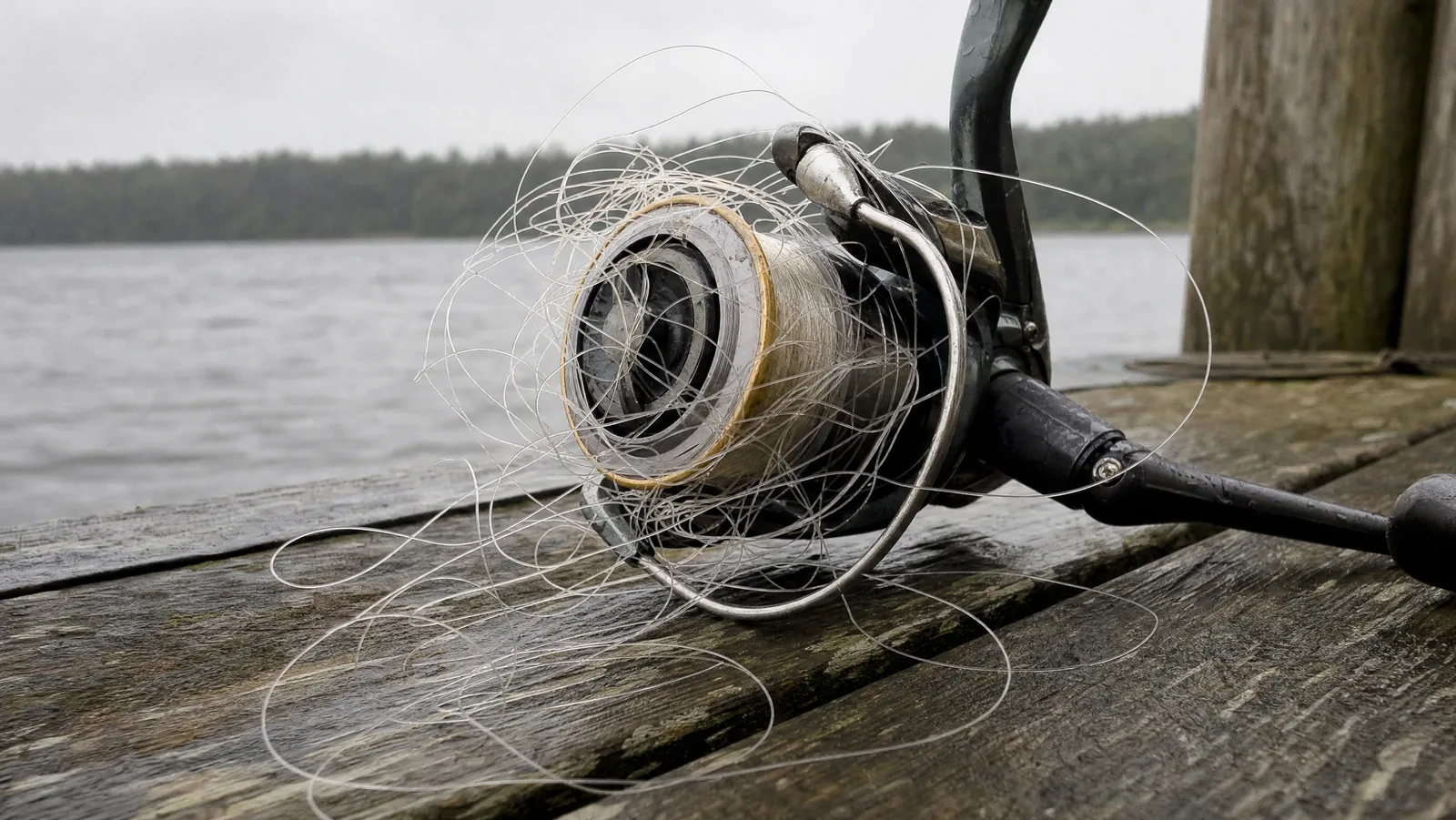
Common Spinning Reel Problems and How to Fix Them Most spinning reel problems are line problems, not reel prob…
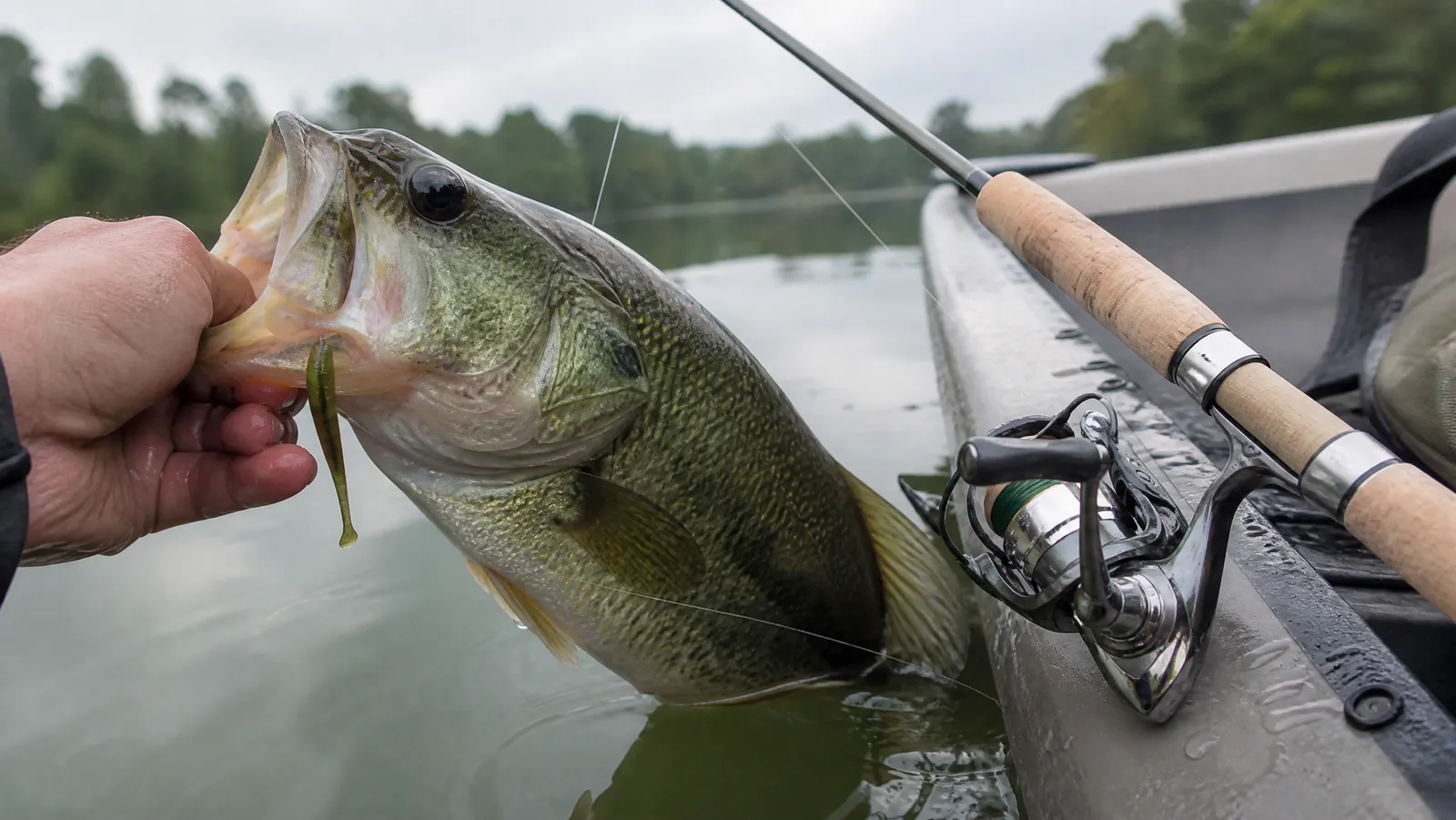
Best Spinning Reel for Bass: Finesse Techniques Need a Different Reel For nearly every bass application, buy a…
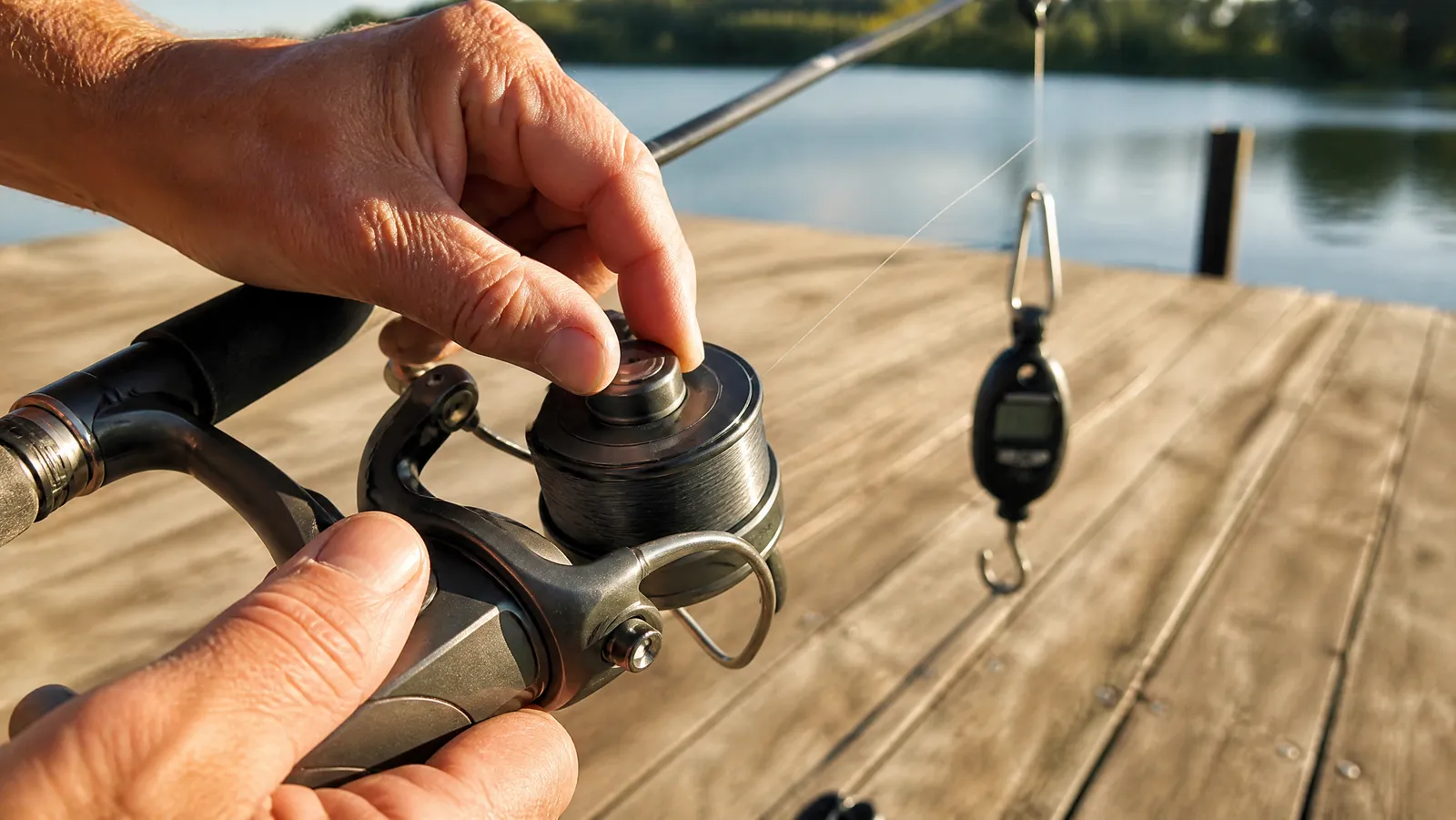
How to Set Spinning Reel Drag and Why Most Anglers Set It Too Tight Set the drag to start slipping at roughly…
Filter 14 spots by water type, species and access — depth ranges, launch info and seasonal windows on every card. Split map and list, no nested menus.
Re-spooling with a different line? Convert your reel’s rated capacity to the yardage you’ll actually get on mono, fluoro or braid.
Open toolWeigh a fish without a scale. Enter length — add girth for accuracy — and get a weight from the formulas state biologists use, by species.
Open toolSet your drag the right way: a target strike drag in pounds from your line’s rated strength, tuned for mono, fluoro or no-stretch braid.
Open toolMatch tippet to your fly with the “rule of 3”, then read off the diameter, breaking strength and balanced hook range for every X size.
Open toolTurn a reel’s gear ratio and spool diameter into inches-per-turn, so you can match retrieve speed to the technique.