Best Spinning Reel for Bass: Finesse Techniques Need a Different Reel

This post may contain affiliate links. Read our policy.
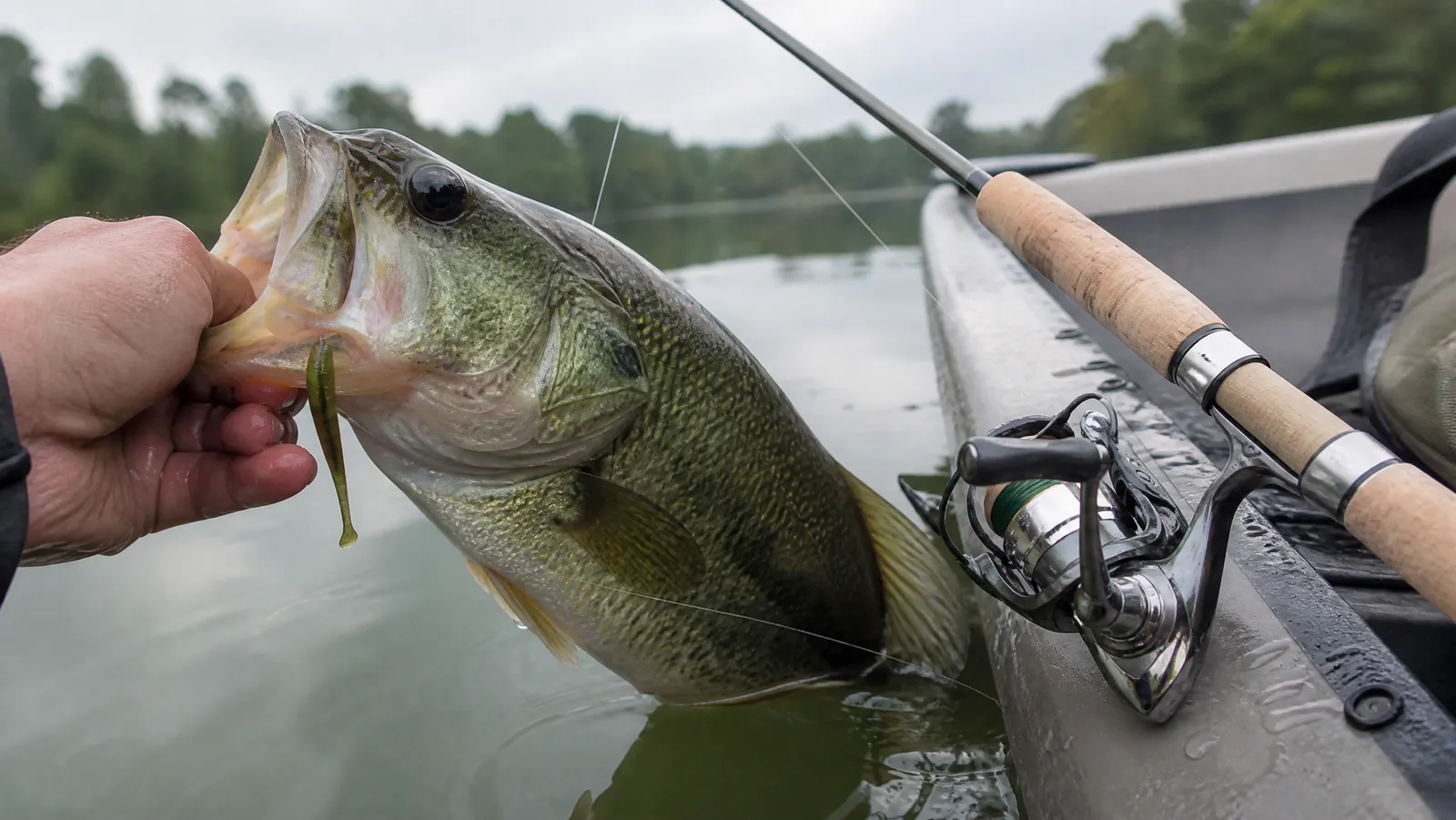

Shimano Stradic FM, 2500HG
The reel we would hand an angler who holds a finesse rod all day and wants to stop thinking about the reel.
- The smoothest drag start-up of the five, which is what light line and light-wire hooks actually need
- 7.8 oz on the Bass Pro Shops spec sheet keeps a 7-foot finesse rod tip-light all day
- A high-gear 2500 covers drop shot, Ned rig and small jerkbaits off one spool
- About $251.50 as of October 2026, which is more than the other four picks here put together
- You are paying for feel and longevity, not for fish a cheaper reel would miss
Best Spinning Reel for Bass: Finesse Techniques Need a Different Reel
For nearly every bass application, buy a 2500 or a 3000 spinning reel and spend $80 to $130 on it. That is the size and that is the bracket. Above roughly $130 you are buying feel and longevity rather than extra fish, and below $50 there is exactly one reel on this page we would still tie a knot on.
Angler Reviews is reader-supported: as an Amazon Associate we may earn a commission from qualifying purchases made through links on this page, at no extra cost to you.
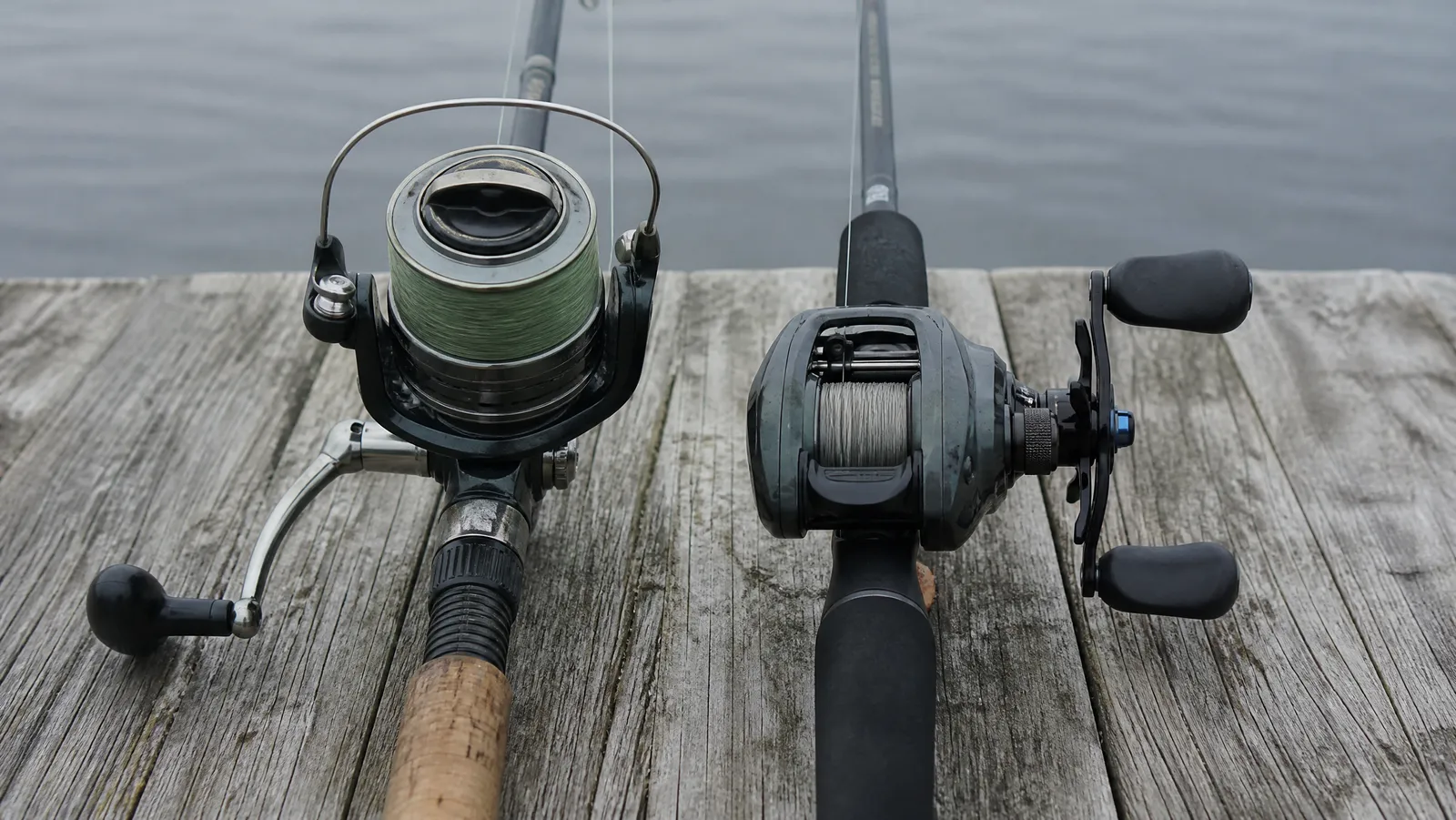
Now the part most round-ups skip. A bass angler does not buy a spinning reel to do everything, because the baitcaster already owns the heavy end of the sport: jigs, frogs, big crankbaits, anything that has to come out of cover. What a baitcaster cannot do is throw a 1/8 oz drop shot, a Ned rig, a shaky head or a 2-inch jerkbait on light line. So the best spinning reel for bass is not a scaled-down do-everything reel. It is a finesse tool, and every spec that matters follows from that. For the whole category rather than the bass slice of it, work through our best spinning reels guide.
What bass fishing actually asks of a spinning reel
Write the job description first. A bass spinning reel has to cast a lure light enough that it barely loads the rod, hold 8 to 15 lb braid with a fluorocarbon leader, give up line under a pound or two of pressure without hesitating, and let you feel a bite rather than guess at it. Nothing on that list asks for 20 lb of brake, 300 yards of heavy braid, or salt resistance.
The failure modes are different too. A finesse rig rarely fails because the drag ran out of pressure. It fails because a light-wire hook straightened, a 6 lb leader parted at the knot, or a jerky drag start-up gave a 4-pounder the one hard moment it needed.
What size spinning reel for bass? A 2500 or a 3000
A 2500 or a 3000 is the answer, and it is the answer for almost everybody. Both hold far more 8 to 15 lb braid than you will ever have out, and both carry a spool wide enough to let light line leave the lip in loose coils.
That is the mechanism worth understanding. Line does not unwind off a turning spool on a spinning reel, it peels off the front lip in coils, and a larger-diameter spool throws bigger, flatter coils that drag less against the lip and through the guides. A 1/8 oz bait has almost no mass to pull line with, so that friction is the whole ballgame.
- A 2000 is for genuinely tiny presentations on 4 to 6 lb line. It will land bass; it gives up spool diameter.
- A 2500 is the finesse standard. Outdoor Canada's Gord Pyzer pairs a 2500 with four to eight pound gel-spun line on a 7 foot 4 inch to 7 foot 6 inch medium-light rod for finesse presentations, and recommends the same setup for drop-shotting.
- A 3000 is the one-reel pick if you also throw small spinnerbaits, swimbaits or light topwater on spinning gear.
- A 4000 is heavy spinning work you probably do not need.
The step between the two is smaller than the numbers suggest. Daiwa publishes its LT spool diameters as a one millimetre step per size, which puts an LT2500 and an LT3000 a single millimetre apart, and we worked through the cross-brand mess that creates in spinning reel sizes explained. Shop for the spool that holds your line, not the number on the box.
Drag smoothness beats maximum drag, and it is not close
Here is the honest take that separates a good bass reel from a well-marketed one. The maximum drag figure on the box is the least useful number on it for bass fishing.
You fish a 6 lb fluorocarbon leader and a light-wire hook, so you will never set the drag past about two pounds. A reel rated to 22 lb and a reel rated to 10 lb are doing identical work. What matters is the first quarter-turn of the spool after a fish loads up.
The mechanism is friction. A front drag is a stack of washers squeezed between the spool and a pressure plate, and like any friction surface it takes more force to start sliding than to keep sliding. That gap is start-up inertia, and it is the spike that straightens hooks and pops leaders. A good drag closes the gap with more washer area, better grease and a spool that sits true. A bad one sticks, then lets go.
Manufacturers know it. Daiwa says its ATD grease has low viscosity at rest and thickens immediately after drag start-up; PENN says it uses felt in the Wrath II because felt is favoured for extremely rapid start-ups. Both claims describe the same half-second.
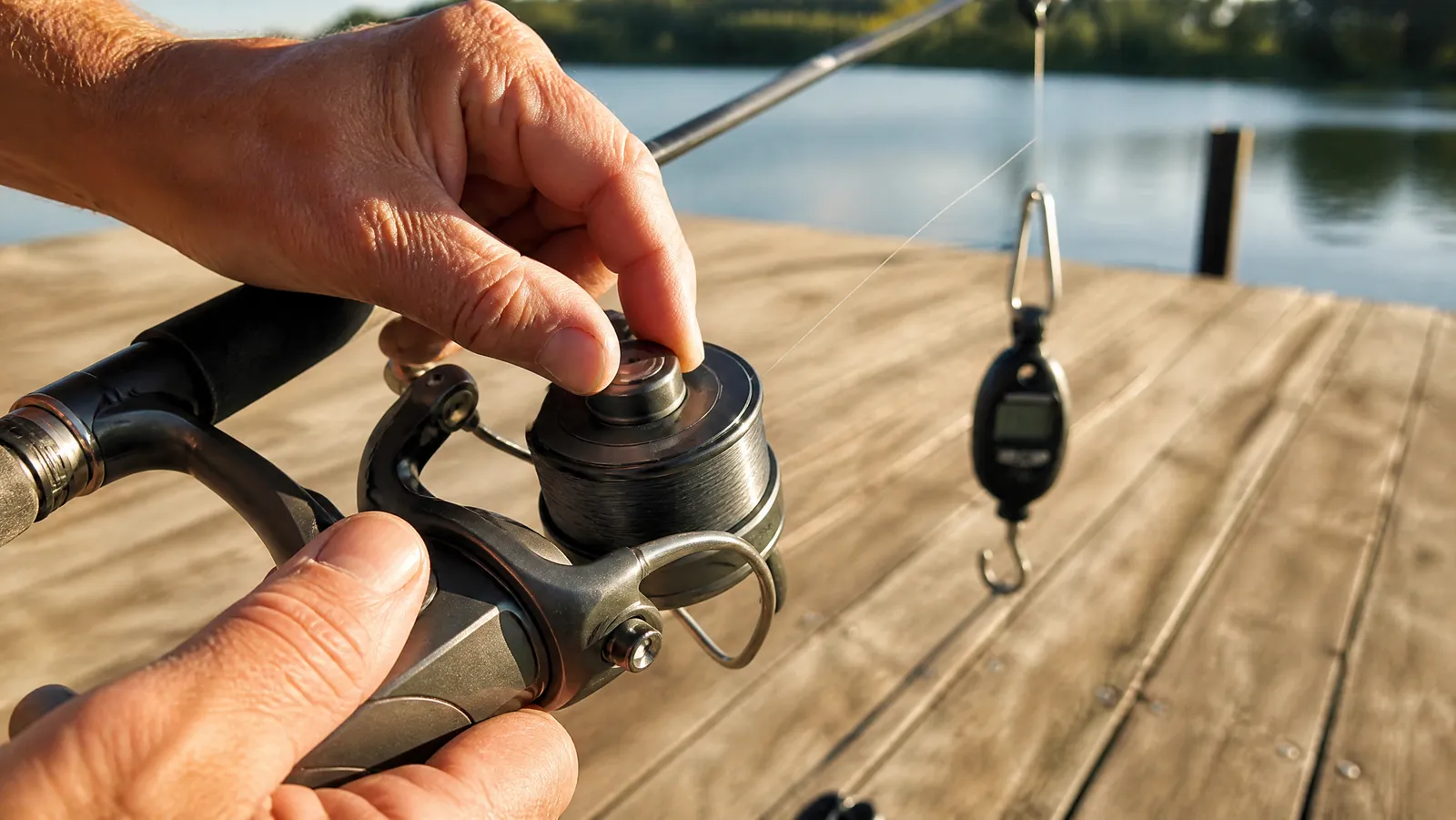
Set the drag with the rod bent rather than by pulling line straight off the spool, and put a number on it instead of guessing with your fingers. Our drag setting calculator gets you a starting figure, and how to set spinning reel drag walks through the method on the water. Treat any drag figure as a starting point to test, not a guarantee.
Line twist, the bail and the braid problem
Spinning reel, braid, very light lure: that is the line twist scenario.
Every time the bail rotates once around a fixed spool it lays one twist into the line. With a heavy lure and taut line that twist mostly works itself out. With a 1/16 oz Ned head there is barely enough tension to seat line on the spool, and under so little load many anglers find the line roller may not turn freely, which adds twist instead of shedding it.
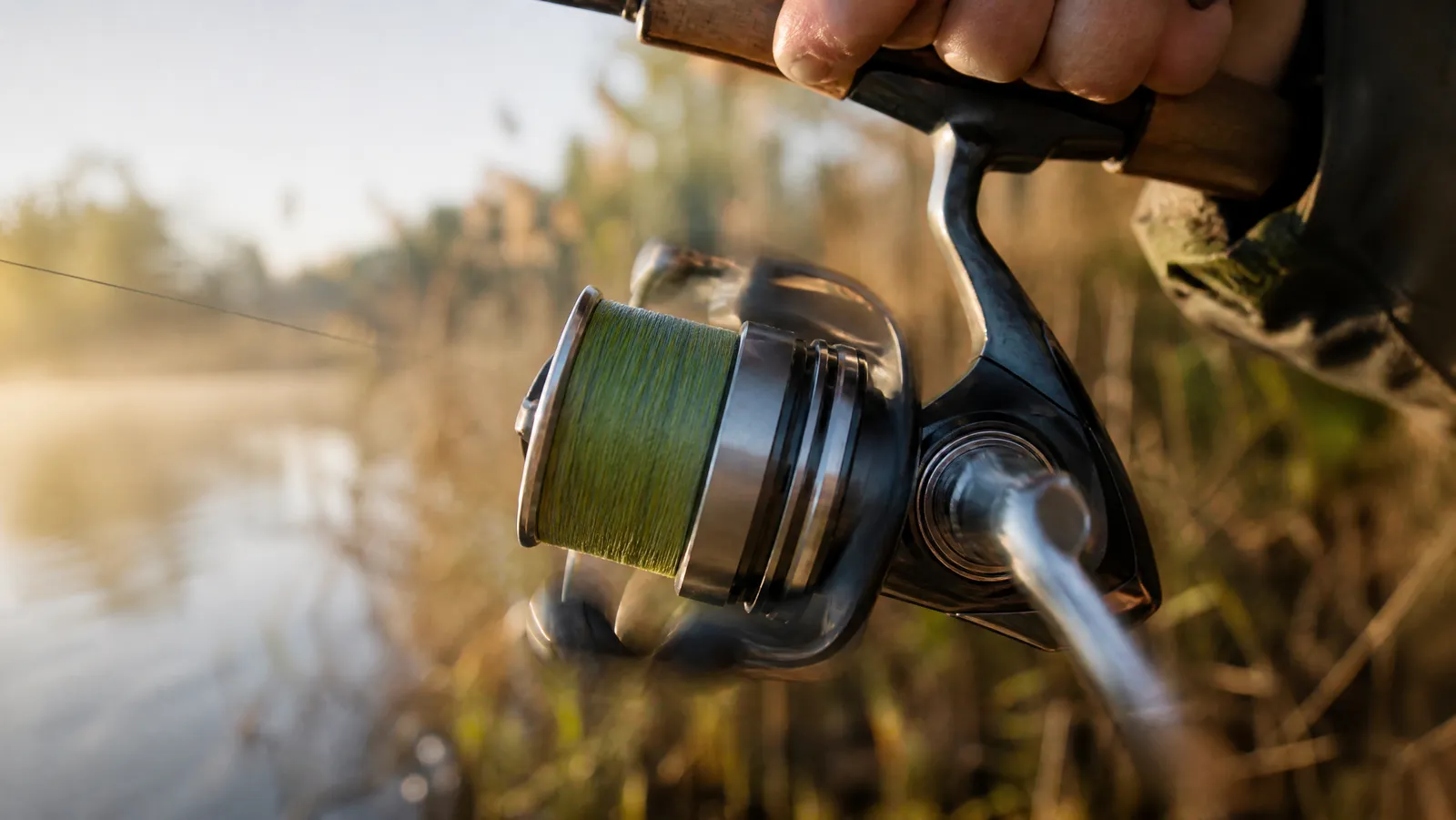
So the hardware that matters is the rotor and the line roller. A roller that spins freely under light load, a rotor balanced enough not to pulse and a bail that closes square all reduce the twist you live with. Daiwa's claim for the AIRDRIVE rotor and bail is specifically about reduced start-up inertia and better line control, which is the same problem in marketing language.
Technique fixes more of this than money does: spool under tension, use a swivel on rigs that spin, and let line out behind a moving boat when it loops. The rest is in best fishing line for spinning reels.
Weight and balance against the rod
A finesse angler holds the rod all day and reads the bite through it, so weight is a performance spec rather than a comfort one.
Bass Pro Shops lists the Stradic FM 2500HG at 7.8 oz, and Tackle Warehouse lists the Daiwa Regal LT 2500D-XH at 7.4 oz. Both leave a 7-foot medium-light rod feeling tip-light, which is how you want it: a setup balanced slightly forward of the reel seat telegraphs a drop shot bite better than one that hangs back in your palm.
Gear ratio, briefly
Fast gearing in bass finesse fishing is about slack, not power. A drop shot, a shaky head and a Ned rig all involve retrieving line you did not fish with, and a reel that recovers more line per turn gets you back to a loaded rod sooner.
The reels here cover the useful range. Tackle Warehouse lists the Regal LT 2500D-XH at 6.2:1 and 34.5 inches per turn, Bass Pro Shops lists the Stradic FM 2500HG at 5.8:1 and 34 inches per turn, and PENN lists the Wrath II 2500 at 6.2:1 and 33 inches per turn. The ratio and the inches do not rank the same way, because spool diameter does half the work. We unpick that in spinning reel gear ratio.
Sealing, honestly
Sealing is worth something in fresh water and it is not the deciding factor. What you gain is grit staying out of the drag stack, which is the difference between a smooth reel in year three and a sticky one. Daiwa's MAGSEALED shaft protection and KastKing's O-ring sealed front drag both target that, and both are reasonable things to pay a little for.
What you should not do is buy sealing by buying a saltwater-marketed reel for a bass lake. Spend the money on the drag and the rotor instead, then rinse the reel anyway.
Best spinning reels for bass fishing: the five we would buy
Five reels, ordered by the job each does best.
Best overall for bass: Shimano Stradic FM 2500HG
The model code ST2500HGFM tells you what it is: a 2500 in high gear. Bass Pro Shops lists it at 7.8 oz with a 5.8:1 ratio, 34 inches of retrieve per turn, 20 lb of maximum drag and 6+1 bearings.
What the money buys is the drivetrain, and Shimano is specific about it. Shimano describes Infinity Drive as a low-friction bushing supporting the main shaft to cut rotational torque, InfinityXross as improved meshing between drive and pinion gears to spread load over more tooth surface, HAGANE Gear as a cold-forged rather than cut aluminum drive gear, and MicroModule Gear II as a gear set with more and smaller teeth for extra contact points. Those are claims about feel in year three, not about fish next Saturday.
The drag start-up is the smoothest here, which is the spec that protects a light-wire hook. The honest con is the obvious one: about $251.50 as of October 2026, more than the other four picks combined.
Who should actually spend it: anglers for whom finesse fishing is most of the season, or anyone who has worn out a cheap drag and knows what that costs in lost fish. If spinning gear is a quarter of your fishing, buy the Shimano Stradic FM because you want it, and we would not argue with skipping it.
Best mid-price finesse reel: Daiwa Fuego LT
This is the pick we hand to most bass anglers: about $123.95 as of October 2026 for a carbon-bodied reel with shaft sealing, a combination that usually costs more.
Read this before you order. The Amazon listing is a size-variant parent covering sizes 1000 through 6000, so you have to select the 2500 or the 3000 size on the listing yourself. Weight and line capacity both change with that choice, so settle the size before you buy line for it.
- Daiwa says the ZAION V carbon body cuts weight while boosting sensitivity.
- Daiwa claims the AIRDRIVE rotor and bail reduce start-up inertia and improve line control.
- Daiwa says MAGSEALED main shaft protection keeps water, sand and debris out.
- Daiwa describes the Precision-Tune drag as consistent across the whole family.
The honest con: one listing spanning 1000 to 6000 makes ordering the wrong size easy.
Best high-speed value: Daiwa Regal LT 2500D-XH
The XH in the model code is Daiwa's extra-high gearing. Tackle Warehouse lists this model at 6.2:1 with 34.5 inches per turn, 22 lb of maximum drag and a weight of 7.4 oz, for about $79.99 as of October 2026.
In bass terms that speed is slack management, and drop shot and shaky head fishing generate plenty of slack. Daiwa also puts its Air Rotor and ATD drag on this reel, describing the ATD grease as low viscosity at rest, thickening right after start-up.
The honest cons: extra-high gearing costs you cranking leverage, and the resin-and-carbon body is lighter but less rigid than aluminum.
Best budget all-rounder: KastKing Royale Legend Pro, 3000 size
This reel is also a pick in our best spinning reel under $100 round-up, where it earned its place on gearing, and the reasoning has not changed.
KastKing specifies a 6.2:1 gear ratio and a hardened Digi-cut aluminum main gear at Rockwell 80 hardness that it states is 30 percent stronger and 60 percent lighter than zinc alloy, as many reels at this price still do. KastKing also rates the triple carbon fiber drag up to 25 lb and lists 10+1 MaxiDur double shielded stainless bearings.
Our read is unchanged: the bearing count is the least interesting one, and the sealed CNC anodised aluminum spool with its O-ring sealed front drag is the feature worth paying for, because keeping grit out of a washer stack is what makes a cheap drag still smooth next season. About $81.89 as of October 2026, down from a $90.99 list price.
The honest cons: the carbon fiber body is light but less rigid than an aluminum frame, and this listing is the 3000, a step up from the 2500 a committed finesse angler would choose.
Cheapest reel we would still fish: PENN Wrath II, 2500
At about $48.44 as of October 2026, down from a $59.99 list price, this is the floor, and it needs honest framing.
It is sold as a saltwater reel. PENN lists a corrosion-resistant graphite body with a machined anodised aluminum spool, a 6.2:1 ratio recovering 33 inches per handle turn, and a felt front drag rated to a 10 lb maximum that PENN says is favoured for extremely rapid start-ups.
So what are you accepting? The bearing count is 2+1 - two shielded stainless ball bearings plus an instant anti-reverse - the thinnest here, and it shows up as a slightly grainier retrieve on a slow drag of a Ned rig. And the drag is felt rather than carbon, which starts fast but wants more attention over seasons. We would still fish the PENN Wrath II without complaint, and we would spend $80 instead if we had it.
What to spool a bass spinning reel with
The line matters more than the last $100 of reel. For a bass finesse setup we would spool 10 lb braid as the main line on a 2500 and 15 lb on a 3000, then run a fluorocarbon leader of 6 to 10 lb.
Braid does the two jobs a spinning reel needs: almost no stretch, so a drop shot bite arrives at your hand intact, and little memory, so it does not jump off the spool in coils. The leader does what braid cannot, which is disappear in clear water and take abrasion against rock. Our fishing line leader guide covers knots and leader length, and best fishing line for bass gets into specific spools.
Fill to a millimetre or two below the lip, under steady tension: underfilled kills casting distance on light lures, overfilled throws loops.
The techniques this reel exists for
Every one of these is awkward or impossible on a baitcaster.
- Drop shot. A light weight and a nose-hooked minnow on a long leader, fished nearly vertical. Nothing rewards a smooth drag more.
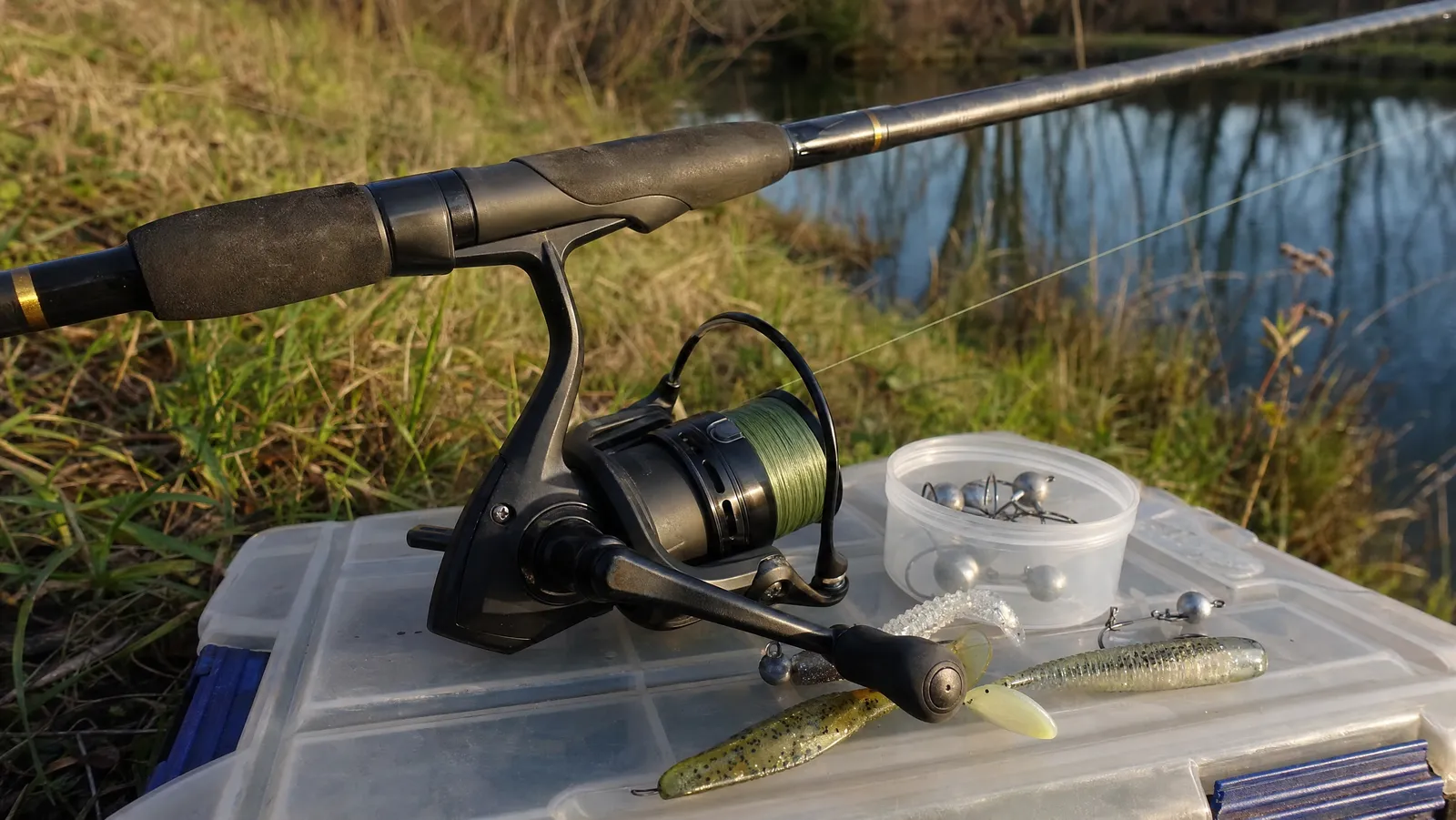
- Ned rig. A short stick worm on a 1/16 to 1/10 oz mushroom head, too light to cast on anything else.
- Shaky head. A finesse worm on a light jig head, dragged and shaken on bottom.
- Wacky rig. A stickbait hooked through the middle, fished on slack line with no weight at all.
- Small jerkbaits and light topwater. Little hard baits a baitcaster will not load up for.
The first four are soft plastic presentations, and the baits are covered in our guide to the best soft plastic bass lures.
How to keep a bass spinning reel honest
- Back the drag off between trips. A washer stack left compressed for months takes a set and starts to stick.
- Rinse with a damp cloth, not a hose. Pressure pushes water past seals rather than keeping it out.
- Check the line roller spins freely every few trips. A frozen roller is a common cause of line twist.
What we would actually buy
One reel, for the bass angler who already owns baitcasters: the Daiwa Fuego LT at about $123.95 as of October 2026, in the 2500 or 3000 size you select on the listing. It is the cheapest reel here that does nothing to annoy a finesse angler.
Want speed over polish? The Daiwa Regal LT 2500D-XH at about $79.99 as of October 2026 is the value pick. Mostly cranking moving baits on spinning gear? The KastKing Royale Legend Pro 3000 at about $81.89 as of October 2026 gives you the 6.2:1 gearing and the sealed spool. Budget of $50? The PENN Wrath II 2500 at about $48.44 as of October 2026, with the bearing count and the felt drag understood going in.
And the Stradic FM at about $251.50 as of October 2026? Buy it when finesse fishing is the centre of your season rather than the edge of it. Most readers should spend $80 to $130, put good braid on it, and set the drag properly.
For the rest of the category, including the sizes, drags and gearing bass fishing never asks about, work through our complete spinning reel buying guide.
The Picks, Tested
Shimano Stradic FM, 2500HG
The reel we would hand an angler who holds a finesse rod all day and wants to stop thinking about the reel. Bass Pro Shops lists the ST2500HGFM at 7.
- The smoothest drag start-up of the five, which is what light line and light-wire hooks actually need
- 7.8 oz on the Bass Pro Shops spec sheet keeps a 7-foot finesse rod tip-light all day
- A high-gear 2500 covers drop shot, Ned rig and small jerkbaits off one spool
- About $251.50 as of October 2026, which is more than the other four picks here put together
- You are paying for feel and longevity, not for fish a cheaper reel would miss

Daiwa Fuego LT
The pick we point most bass anglers at: roughly half the Stradic money for a carbon-bodied finesse reel with Daiwa's MAGSEALED shaft protection and AIRDRIVE rotor. One important thing before you buy.
- Carbon body and rotor keep a long finesse rod feeling balanced in the hand
- Shaft sealing at about $124 as of October 2026 is unusual for the money
- Daiwa's drag grease behaviour is the kind of thing light line benefits from
- One listing covers 1000 through 6000, so it is easy to order the wrong size without noticing
- Weight and line capacity both change with the size you select, so confirm the size before you buy line for it

Daiwa Regal LT 2500D-XH
A 2500 in Daiwa's XH, or extra-high, gearing, which in bass fishing is about picking up slack rather than winching. Tackle Warehouse lists the RGLT2500D-XH at 6.
- Fast gearing takes up slack quickly on drop shot and shaky head retrieves
- 7.4 oz on Tackle Warehouse's spec chart for about $79.99 as of October 2026
- Extra-high gearing trades cranking leverage for line speed
- A resin-and-carbon body is lighter than aluminum but also less rigid under load

KastKing Royale Legend Pro, 3000 Size
The budget all-rounder, and the same reel we picked for gearing in our under-$100 guide. KastKing specifies a 6.
- A sealed spool and O-ring front drag keep grit off the washer stack, which is what makes a cheap drag stay smooth
- 6.2:1 gearing for about $81.89 as of October 2026 handles moving baits as happily as finesse
- The carbon fiber body is light but less rigid than an aluminum frame under drag pressure
- Sold here in the 3000 size, a step up from the 2500 most dedicated finesse anglers settle on
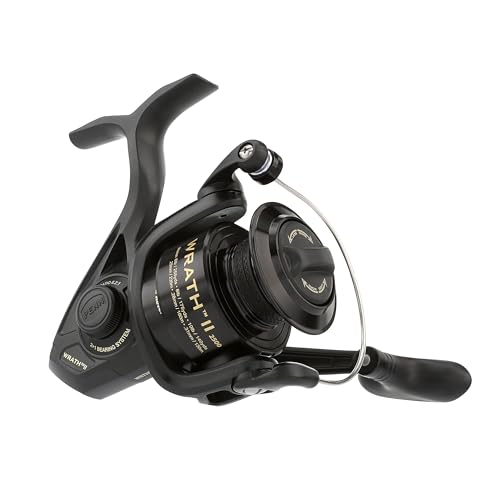
PENN Wrath II, 2500
The cheapest reel on this page we would still fish for bass, and we will be straight about what you are buying. It is marketed as a saltwater reel, so a chunk of the price is corrosion resistance a bass lake does not ask for.
- Under $50 as of October 2026, with PENN's published 33 inches per turn, which is quick enough for finesse work
- A graphite body and anodised spool shrug off a wet deck and a rinse you forgot to give it
- 2+1 is the thinnest bearing count here, and you feel it as a slightly grainier retrieve
- A felt drag starts fast but wants more attention over seasons than a carbon washer stack
Compare The Field
| Compare | Best Overall for Bass Shimano Stradic FM, 2500HG | Best Mid-Price Finesse Reel Daiwa Fuego LT | Best High-Speed Value Daiwa Regal LT 2500D-XH |
|---|---|---|---|
| Overall | — | — | — |
| Price | $251.5 Check price → | $123.95 Check price → | $79.99 Check price → |
About The Author
Rob Thomas
Rob Thomas is a fisherman who loves catching tales from his fellow fishermen. He always enjoys a good story, especially when it comes from the sea.